

A High-Energy Tennis Camp Where Players Build Confidence and Get Better Fast
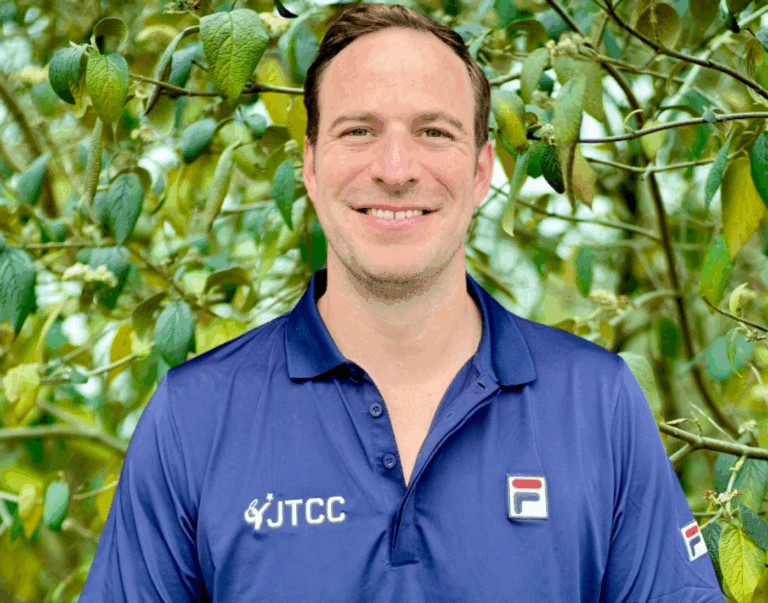
If you spend a few minutes around David Loss, you start to understand how he thinks about teaching tennis.
He’s not focused on how a player looks on day one. He’s focused on what changes over the course of the week. Does the hesitant player start asking to play points? Can a beginner suddenly keep a rally going? Does a more advanced player clean up their technique and make better decisions in real match situations?
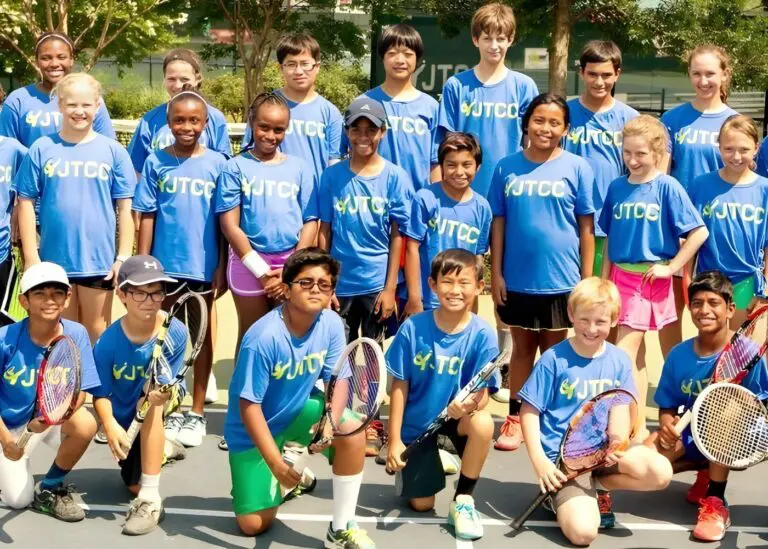
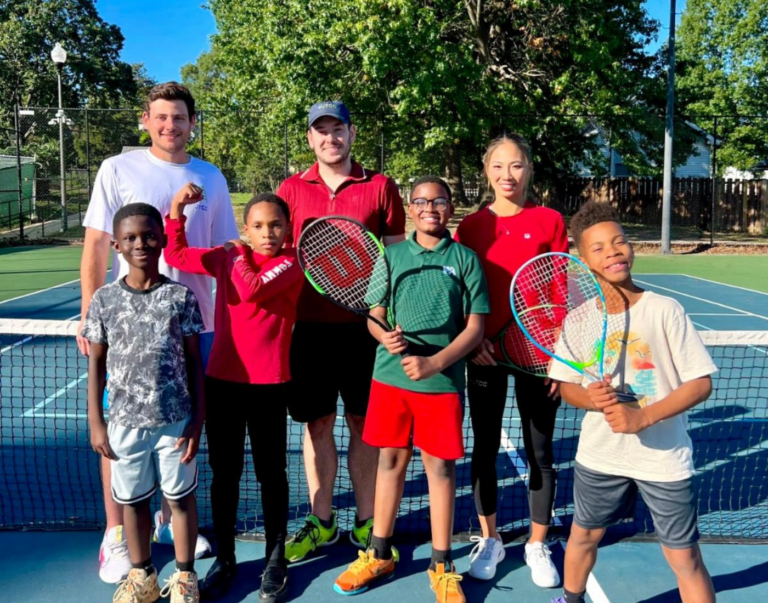
That perspective shapes how JTCC’s Chantilly Summer Camp is run. It’s designed for players ages 6 to 18, with clearly defined groups so each player, whether just starting out or already competing, gets the right level of instruction, challenge, and structure.
What the Experience Actually Feels Like
A lot of camps say they “teach tennis,” but the difference here shows up in how the three hours are actually spent.
This is not a mix of activities where tennis is just one part of the day. It’s a focused tennis environment. Kids are on court, engaged, and progressing the entire time without it feeling repetitive or overly structured.
David put it simply:
Our focus is going to be on tennis. We know how to make tennis fun for three hours for kids. So it won’t be 30 minutes of tennis at the start of the day and then coloring and pool time. It’s going to be a tennis camp… and kids who go will have a lot of fun and they’ll come out of the week better than they were before.
Here’s what that looks like on court:
- Kids are moving and hitting consistently, not standing around
- Fundamentals are taught in a way that actually carries over
- Drills and games are designed to keep attention high
- Coaches are actively engaged, giving feedback throughout
By the end of the week, that approach adds up. New players can rally. Intermediate players look more comfortable. More advanced players refine details that show up in matches..
How Players Are Grouped (and Why That Matters)
Because the age range is wide, how the camp is structured matters.
Younger and developing players are placed into groups like Baseline Builders, Net Navigators, and Tennis Titans. These are kids who are learning the game, building consistency, and getting more comfortable on court.
Older players, typically 12 and up, move into the Champs group. Many of them are already playing tournaments or school tennis, so the focus shifts toward technical and strategic development, along with match play.
At the same time, the structure is flexible. It’s not strictly age-based. Players are grouped by both age and ability, so a newer older player or a more advanced younger player can still be in the right environment.
The goal is simple. Every player should feel comfortable, but still challenged enough to keep getting better.
Coaching That Feels Active and Personal
One of the biggest differences is how the coaching is delivered.
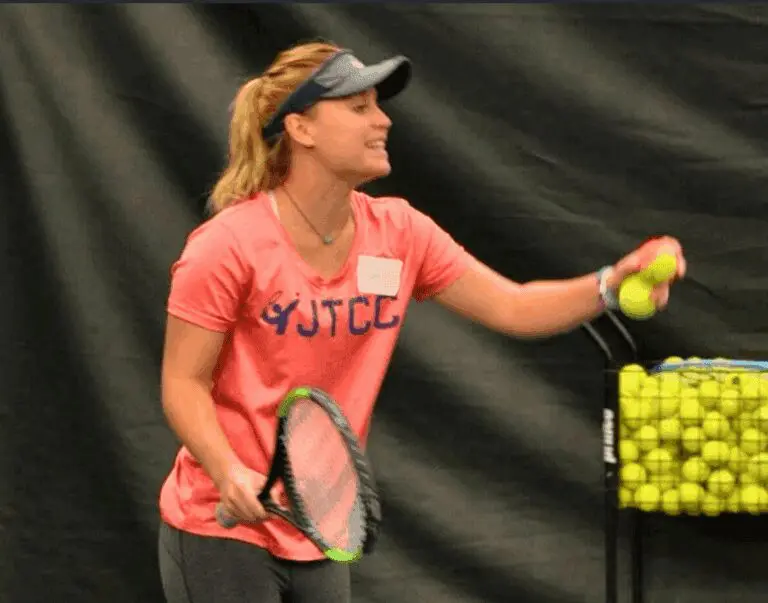
This is not a camp where kids stand in lines waiting for balls. Coaches are on court, moving, observing, and stepping in at the right moments. Each player has something specific they’re working on, and coaches are constantly adjusting, giving feedback, and reinforcing both what needs attention and what’s going well.
That might mean helping a player correct a small technical issue, encouraging them when they try something new, or guiding them through a situation they’re still figuring out. The feedback is ongoing and individualized, not one-size-fits-all.
That approach keeps kids engaged, but more importantly, it leads to progress they can recognize by the end of the week.
What Kids Notice Most
When you ask players what they enjoyed most, the answer is usually the same.
They feel like they got better.
Over the course of the week, players start to recognize that they can do things they couldn’t do before. A beginner might rally for the first time. A more experienced player might feel more confident in points or more consistent in their shots.
Even younger kids, who may not be able to explain it technically, can still tell that has something has changed. They’re more comfortable, more confident, and more willing to play.
That sense of progress is what sticks, and it’s usually what makes them want to come back.
What Sticks After the Week Ends
For most first-time campers, two things stay with them after the week is over.
They remember how much they improved, and they remember that the experience felt different from what they expected.
As David put it:
They’re going to remember where they started… and how they feel leaving… they learned a lot and picked up a new skill probably faster than they would have guessed… and they’re going to remember the creativity… drills and games they haven’t done before.
That combination matters. It’s not just repetition. It’s learning in a way that feels new, engaging, and rewarding.
That’s usually what brings them back.
Questions about camp?
You can email David directly at dloss@jtcc.org.
Chantilly Summer Camp
Westfields Marriott in Chantilly, VA • Ages 6–18
June 8–August 21
Read More from
JTCC News
A Letter from CEO Martin Blackman

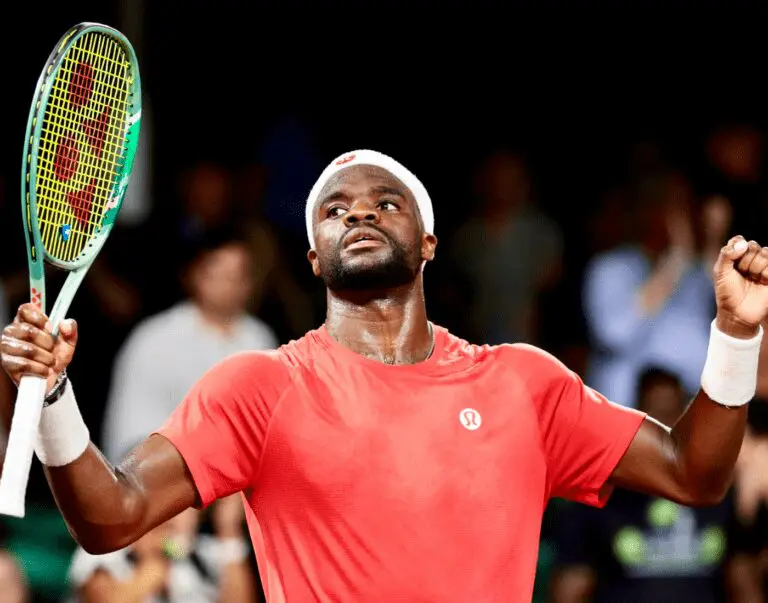
Hallelujah! Frances Tiafoe Wins 1st ATP 500 Title
JTCC Salutes Class of 2026

Champions Celebration Raises Record $630,000
Shristi Selvan Captures Two Gold Balls At Easter Bowl
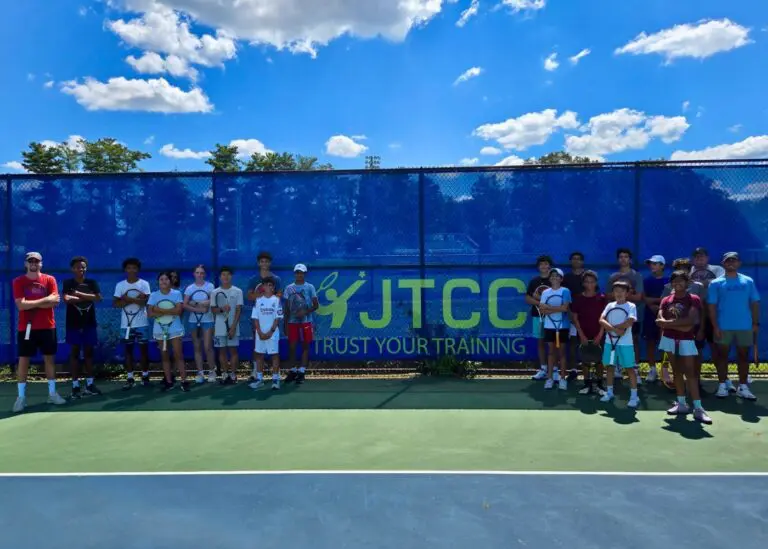

JTCC Featured On “All Access With Andy Garcia”
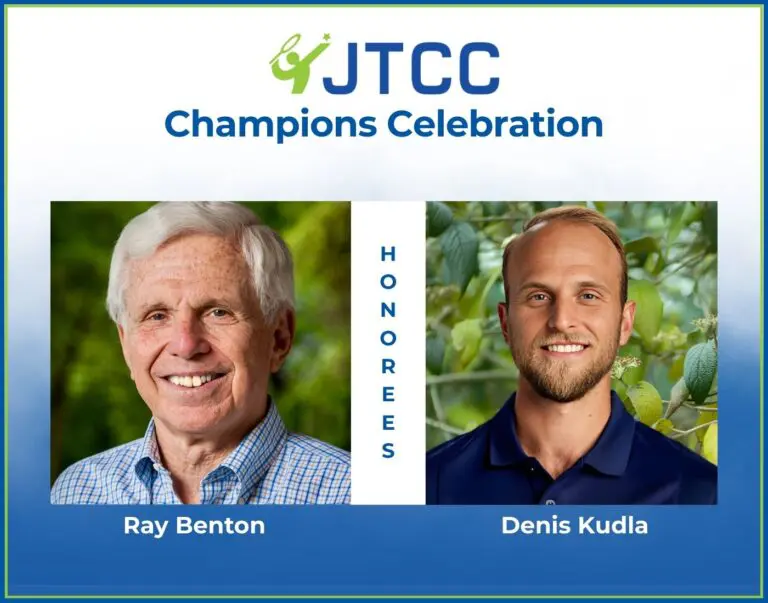
JTCC to Honor Ray Benton & Denis Kudla At Champions Celebration Gala

New High Performance Leadership Announced: Alumnus Denis Kudla Joins Team
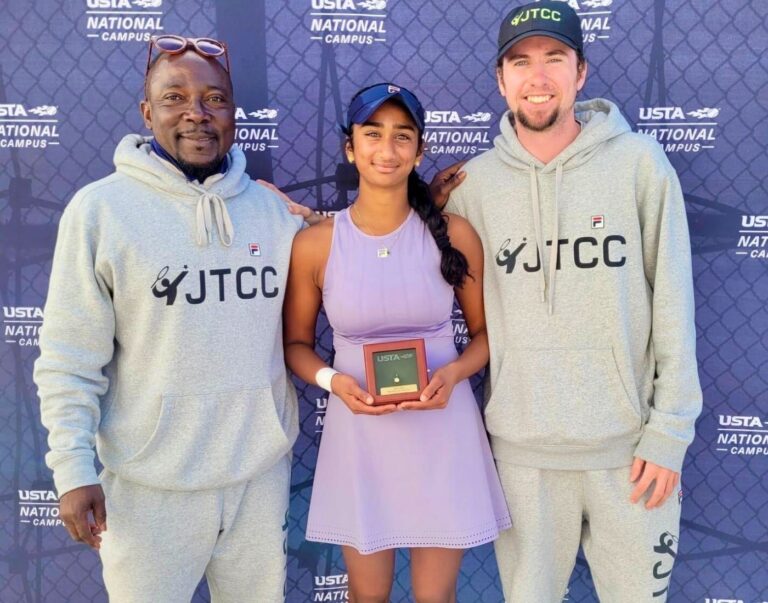
Shristi Selvan Claims Gold Ball At Winter Nationals
Nico Pedraza Earns Silver Ball at USTA National Indoor Championships
JTCC Coach Gabby Hesse Featured On FOX 5’s Live Zone
Welcome Home Martin Blackman
Shristi Selvan Named 2nd Recipient of Keith Robert Larson Scholarship Fund
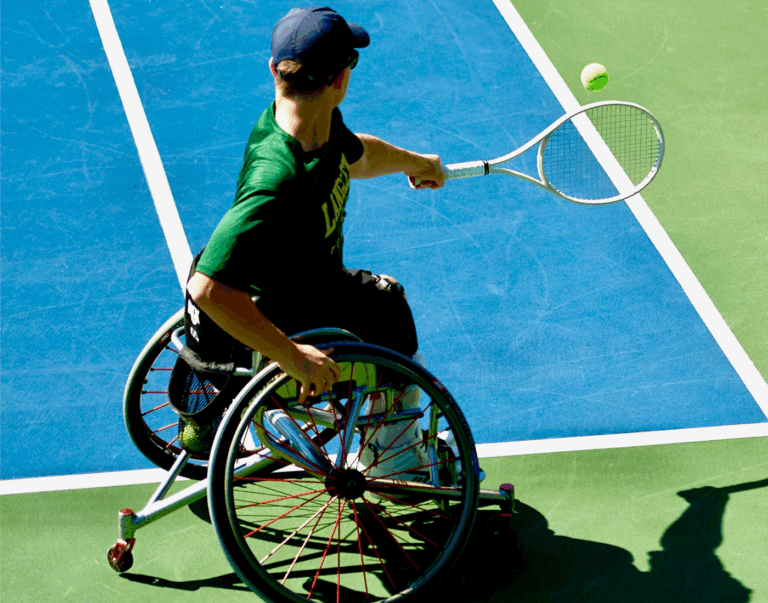
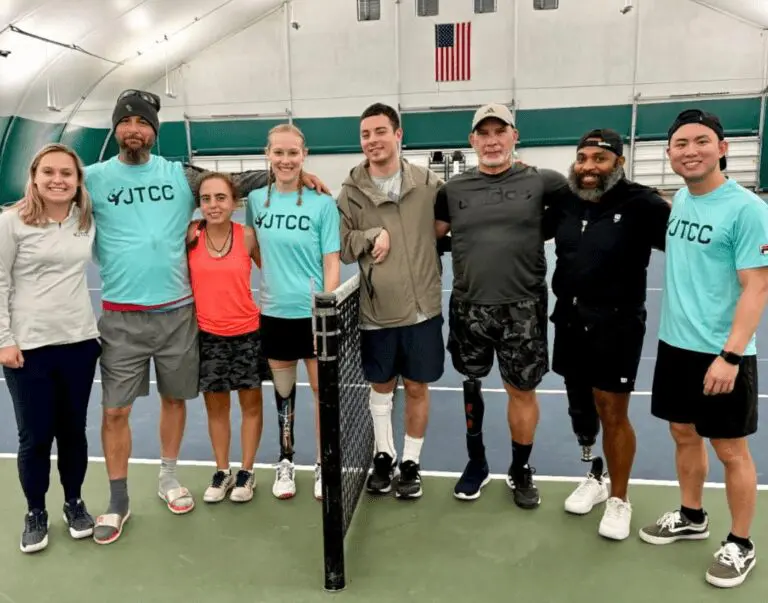
JTCC Adaptive Tennis Featured On Tennis.com
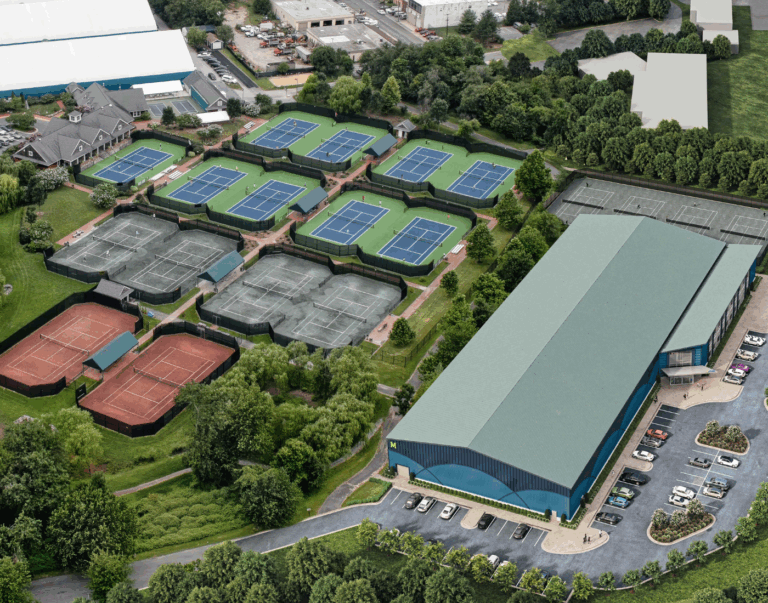
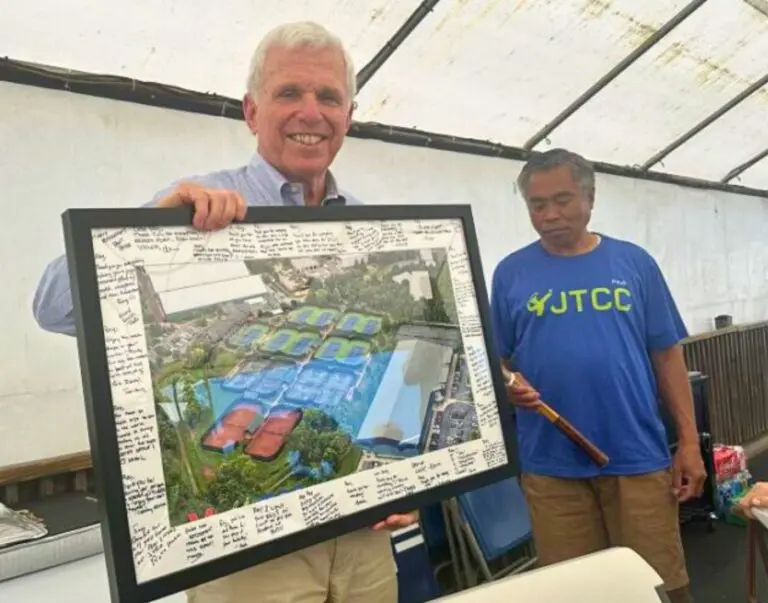
JTCC Honors Ray & Nina Benton With Naming of Walk of Fame
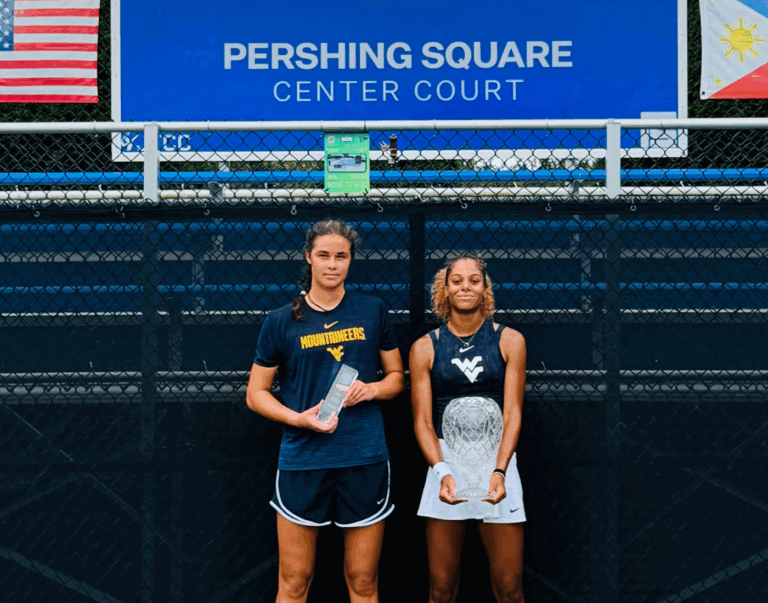
JTCC Hosts Ninth Annual ITA Bedford Cup
JTCC Players Combine Tennis and Career Exploration in NYC
JTCC Unveils Keith Robert Larson Scholarship Fund
JTCC Names Martin Blackman CEO
JTCC Players Capture Title at Stars of Tomorrow Tournament

Lights, Camera, Action at JTCC
JTCC Names Andrew Rathmann-Noonan as New CDO

JTCC CEO Ray Benton Announces Retirement at End of Year

JTCC High Performance Players Compete in Easter Bowl
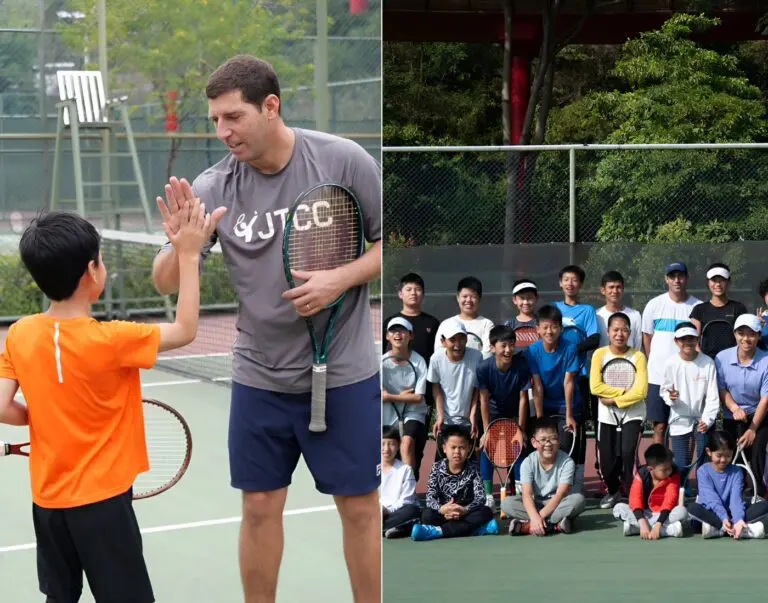
Asaf Yamin Travels To China
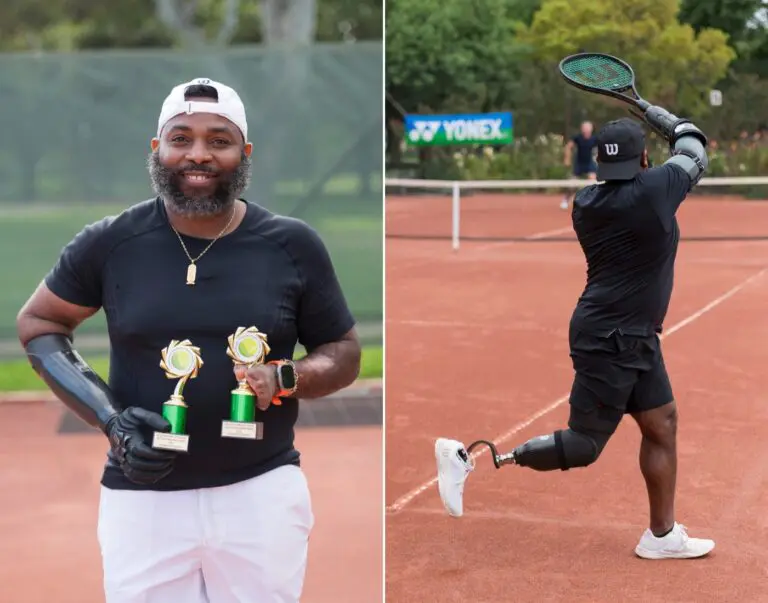
Game Changer: Kemit-Amon Lewis’s Impact In Para Standing Tennis
Alumni Spotlight: Jakob Esterowitz Stringing Along An Environmental Initiative

Kalista Papadopoulos: A Rising Star At JTCC



JTCC Players Well-Prepared for Wimbledon
JTCC Salutes Class Of 2024

JTCC Winter Festival Sparks Excitement