JTCC to Honor Ray Benton & Denis Kudla At Champions Celebration Gala

COLLEGE PARK, MD — The 2026 JTCC Champions Celebration on April 16 will recognize two individuals whose leadership and achievements have profoundly shaped the organization.

Together, the honorees—Ray Benton, JTCC’s longtime Chief Executive Officer, and Denis Kudla, one of the program’s first homegrown professional players and a current member of the JTCC High Performance coaching team—represent more than 30 years of dedication to JTCC’s mission and community.

Benton was recruited in 2008 by JTCC founder Ken Brody, whose vision was to build an organization that uses tennis to positively impact lives while developing a world-class training environment that produces champions both on and off the court. During Benton’s 17-year tenure as CEO, JTCC expanded its programs, elevated its national reputation, and established a lasting legacy of excellence in player development, education, and community outreach.

Kudla, the first JTCC alumnus to compete on the worldwide ATP Tour, played professionally for 16 years. He achieved a career-high ATP singles ranking of No. 53 and captured nine ATP Challenger titles. His Grand Slam highlights include a Round of 16 run in the second week of Wimbledon in 2015, and he proudly represented the United States at both the 2016 Olympic Games in Rio de Janeiro and the Davis Cup in 2023.

The JTCC Champions Celebration is an annual fundraiser, with proceeds directly supporting the organization’s efforts to make tennis accessible to players of all backgrounds and abilities throughout the Washington metropolitan area.

Celebrate our honorees by purchasing a ticket or table today by visiting jtcc.org/gala.

Spencer Davis Cracks Top 10 in World Junior Wheelchair Tennis Rankings

Rankings may change, but some achievements last forever.

JTCC Junior wheelchair tennis player Spencer Davis has reached a major milestone, earning a #8 world ranking on the International Tennis Federation (ITF) Junior Wheelchair Tennis Tour—placing him among the top 10 Junior wheelchair tennis players and top ranked American in the world.

A high school sophomore and member of JTCC’s High Performance Champs II program, Davis has made steady progress in the last two years training alongside High Performance athletes.

“I have been able to further develop my game and improve different parts of it recently because of JTCC and their outstanding coaches,” said Davis.

While the ranking is a meaningful accomplishment, Davis sees it as a step toward an even bigger goal.

“It is definitely a great achievement to be ranked in the top 10, but it’s not nearly as satisfying as winning a big tournament,” Davis explained. “My big goal is to win the US Open.”

That focus reflects his competitive mindset. With his top 10 ranking, Davis is well positioned to qualify for the US Open Junior Wheelchair Championships which is a goal he has set for 2026 as he continues to train and compete at a very high level.

New High Performance Leadership Announced: Alumnus Denis Kudla Joins Team

COLLEGE PARK, MD – Drawing on 10 years of experience as General Manager of USTA Player Development, JTCC CEO Martin Blackman announced that he, along with JTCC President and Director of Coaching Vesa Ponkka, will oversee all of JTCC’s High Performance Training and High Performance Coach Development.

“We will implement a program that reflects the same philosophy and comprehensive training methodology that ushered in a resurgence of American tennis under the direction of USTA Player Development,” said Blackman. “Over the past decade, American tennis experienced its strongest resurgence since the early 1990s, with significant increases in representation across the Top 100, Top 50, Top 20, and Top 10 rankings. This progress was driven by a three-way partnership between USTA Player Development, the 17 USTA Sections, and the private sector.”

Ponkka brings a 30-year track record of developmental success as a High Performance coach at every level of the game.

“Vesa’s experience, expertise, and proven track record in coaching, program design, and coach development, working alongside our outstanding Senior Coaches led by Asaf Yamin and Paula Coyos, are exactly what we need at this time,” said Blackman. “JTCC has a strong foundation of programming and great coaches, and now it is time to set our goals on being the best in the world.”

In addition, Denis Kudla, the first JTCC alumnus to compete on the ATP Tour worldwide, is returning home to serve as a High Performance coach.

“As a junior here at JTCC, Denis established himself as a leader with a tremendous work ethic and a passion for the game. As a professional, Denis distinguished himself as one of the most professional and tenacious competitors on the Tour. He was respected by his peers and, while on the ATP Tour, mentored many of our top JTCC juniors,” said Blackman. “Having him back at JTCC as a High Performance coach is a dream come true for all of us. We look forward to benefiting from Denis’ work ethic and knowledge of the modern game, especially given that he has only been off the Tour for a year.”

Kudla reached a career-high ATP No. 53 singles ranking and captured nine ATP Challenger titles during his 16-year professional career. His Grand Slam highlights include reaching the fourth round of singles at Wimbledon in 2015, and he represented the United States at the 2016 Olympic Games in Rio de Janeiro and the Davis Cup in 2023. Immediately after retiring in 2024, Kudla began his coaching career, helping coach American standout Reilly Opelka in 2025 to a landmark victory over 24-time Grand Slam champion Novak Djokovic. He also helped Opelka’s ranking climb more than 200 spots to just outside the Top 50.

“I’m incredibly excited to be back where it all began for me, and it truly feels like a full-circle moment,” stated Kudla. “I was eight years-old when I first stepped onto a court at JTCC, beginning a journey that led to 16 years as a professional athlete, time spent coaching on tour, and the chance to live out my childhood dreams, all because of what JTCC instilled in me. Now, having the opportunity to help develop the next generation of JTCC champions and support them in achieving their dreams is a true privilege.”

Ponkka outlined the conceptual changes that will align the program with the standards of excellence that informed USTA Player Development from 2009 to 2024.

“Our goal is to make our training more demanding than competition, so that our players embrace competition and have the preparation to problem-solve and thrive under pressure,” said Ponkka. “Young athletes want to be challenged, and the purposeful intensity and fun of JTCC training support our High Performance motto of ‘Trust Your Training’.”

Learning Together: Coaches & Adaptive Tennis Players Drive Inclusive Excellence

JTCC hosted an All-Coaches Integration Training in Building 2 on January 5, bringing coaches and players in the Adaptive programs together for a unique, hands-on learning experience.

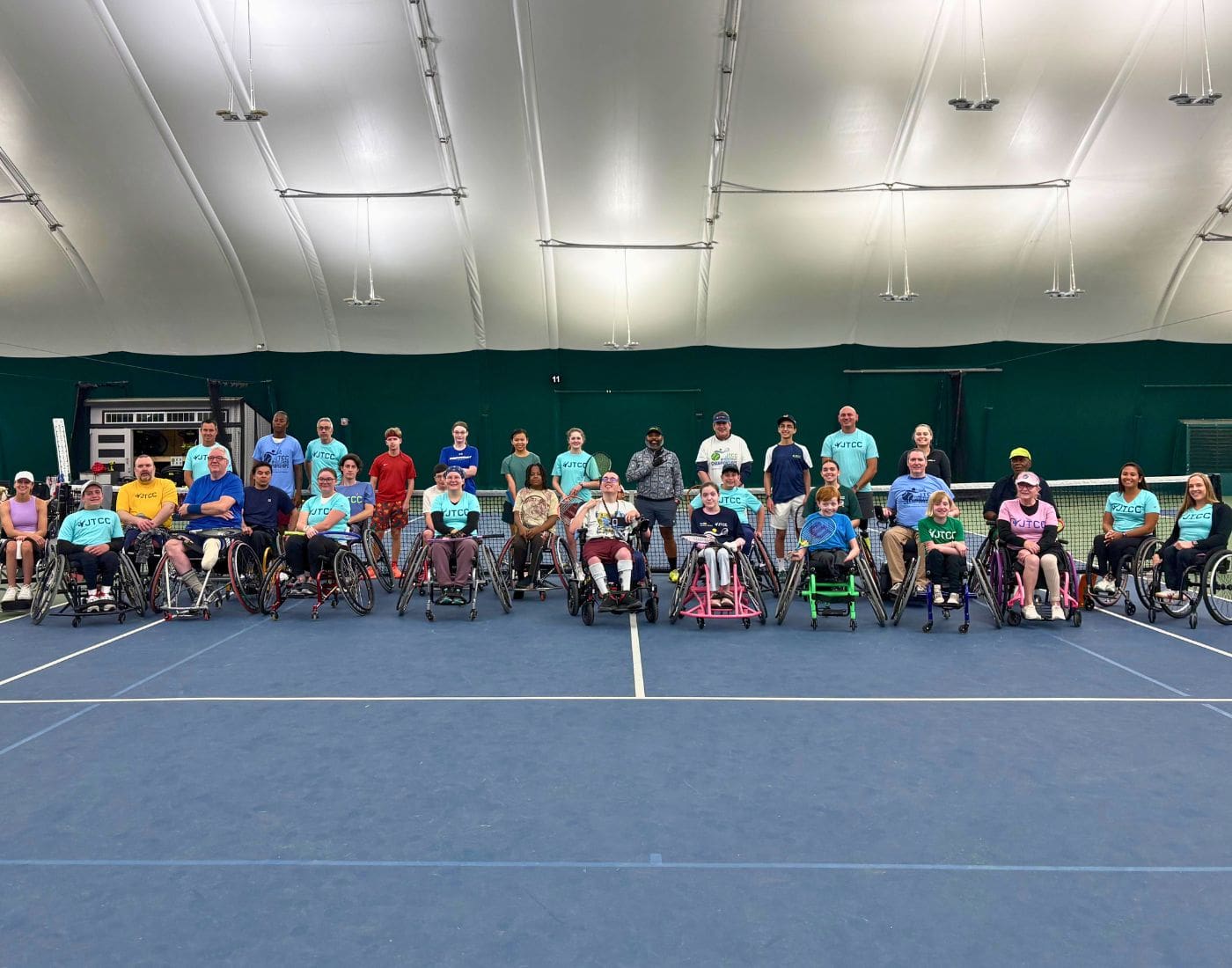
Eight players from JTCC Wheelchair and Para Standing programs participated in integrated drills, situations where athletes with and without disabilities are learning tennis together. The players provided real-time feedback to help coaches from the High Performance and Developmental teams learn how to adapt instruction and environments to support every athlete.

The training reinforced JTCC’s person-first coaching philosophy, emphasizing relationship-building, flexibility, and inclusive coaching practices. Adaptive tennis also highlights the power of reciprocal mentorship—where coaches teach the game and athletes share their lived experiences—creating growth for everyone involved.

Shristi Selvan Claims Gold Ball At Winter Nationals

It didn’t take long for Shristi Selvan to define excellence in 2026, opening the year with a truly momentous achievement.

The 15-year-old delivered a masterclass performance at the USTA Level 1 Girls’ 16s National Winter Championships in Orlando, FL, capturing the singles title and securing her first Gold Ball with a commanding 6-3, 6-1 victory over fourth-seeded Olivia Lin in the final.

A product of the JTCC pathway since joining the Future Champs Red Ball program at age five and recipient of the Keith Robert Larson Scholarship fund, Selvan dropped only one set across seven victories en route to the title. Her most demanding test came in the quarterfinals, where she saved multiple match points and showed remarkable resilience in a dramatic 6-1, 5-7, 13-11 super tiebreak win.

“I have had the goal of earning a Gold Ball for months, and when I got the win, it felt surreal,” Selvan said. “To have a team with me, especially my sister Shivaani and coaches Oliver Akli and Kevin Johnson by my side, and also having friends and teammates watching and cheering me on from the stream online, was amazing and honestly the best feeling in the world.”

After the final point, Selvan continued to exemplify the true definition of a champion beyond the scoreboard—taking the time to sweep the clay court where she had just competed, leaving it in pristine condition.

The Gold Ball is more than a title. It is a powerful statement of excellence and a glimpse of what lies ahead for Shristi on the national stage.

From Orange Ball To Orange Bowl

What began more than a decade ago in Orange Ball programming on JTCC courts has now culminated in two players competing on one of the premier stages in Junior tennis.

Shristi Selvan (15) and Nico Pedraza (16) competed in the prestigious Junior Orange Bowl in early December, a testament from the early days when both trained in the JTCC Orange Ball programs.

Their stories mirror a similar arc—following in the footsteps of older siblings, who are now JTCC alumni, and a deep commitment to the sport, which led the pair to being named the first two recipients of the JTCC Keith Robert Larson Scholarship Fund earlier this year.

Through the support of Keith’s father, Bob, and fellow JTCC member Dick Charlton, the fund was created to empower the next generation of High Performance athletes.

Together, Selvan and Pedraza show what’s possible when dedication meets opportunity—proof that a journey that begins with an orange ball can lead all the way to the Orange Bowl.

Nico Pedraza Earns Silver Ball at USTA National Indoor Championships

High Performance player Nico Pedraza led a strong JTCC contingent at the USTA Level 1 National Indoor Championships that concluded on December 1, earning a coveted Silver Ball for reaching the finals in the Boys’ 16s Doubles division. This was Pedraza’s fifth career National Ball in Junior competition.

“My partner and I played really well together and had some good chemistry. We complement each other’s games really well,” Pedraza stated. “We had some long days where we ended up playing doubles later in the afternoon, so to stay focused and have high energy late in the day really gave us the edge.”

In five host cities—New York City, Chicago, Kansas, Memphis, and Minneapolis—11 JTCC players battled through top-tier fields from Boys’ and Girls’ 12-18s divisions.

Shaun Fernando reached the Boys’ 18s Doubles semifinals, while Shristi Selvan, Elodie Agnamba, Sebastian Cardona, and Lola Looney all advanced to the quarterfinals in their respective events.

JTCC celebrates every player who competed with professionalism, resilience, and focus throughout the week as the program continues its pursuit of excellence.

Notable November: JTCC Alumni Reconnect

Holidays are a time for returning home and reconnecting with family and friends, and at JTCC, this is no exception. The building was buzzing the week of November 17 with more than 15 alumni returning to the courts to train together again where their journeys began.

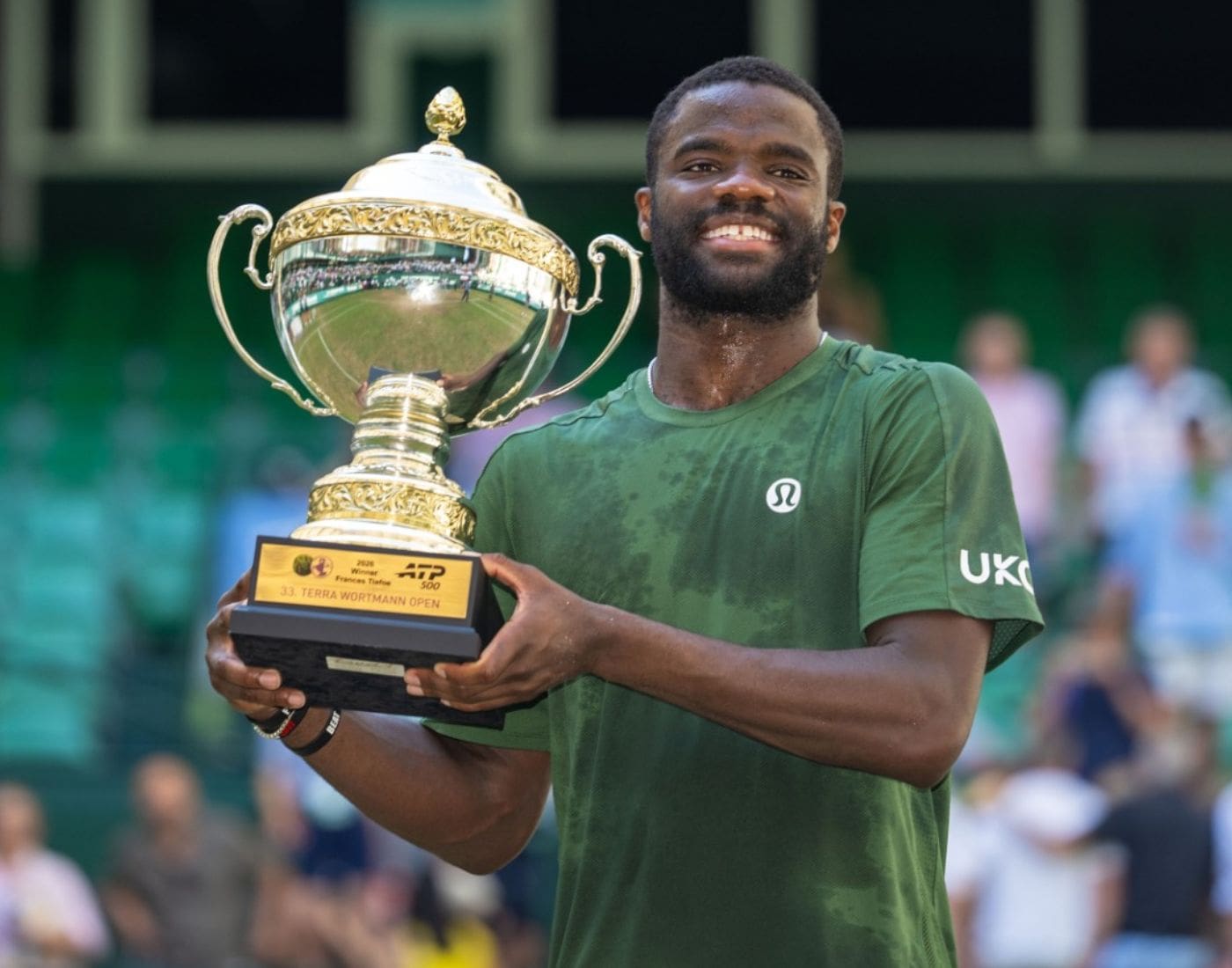
Adding to the excitement, world #9 Ben Shelton stopped by for an energetic practice with alumnus Frances Tiafoe as the two pushed each other for more than three hours.

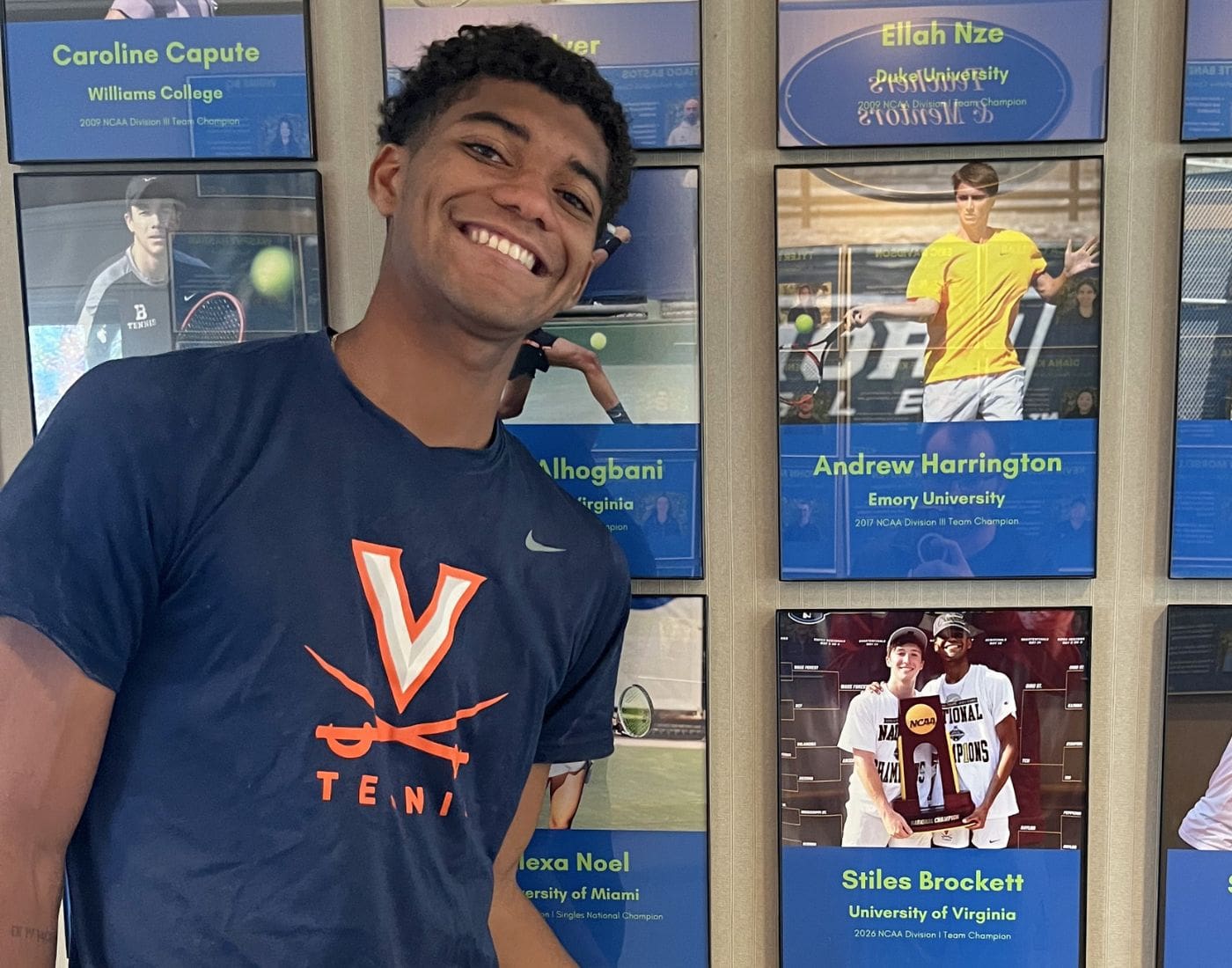
Other familiar faces on campus this month were Ayana Akli, Hailey Baptiste, Stiles Brockett, Mikeal Carpenter, Brian Cernoch, Ryan Colby, Andrew Fenty, Mitchell Frank, Adhithya Ganesan, Origen Grear, Justice Jones, Denis Kudla, Cyrus Mahjoob, Robin Montgomery, Arun Pant, Franklin Tiafoe and William Woodall.

Their presence served as a powerful reminder of the family and community that has been developed through JTCC.

JTCC Hosts Special Olympics Maryland Unified Tennis High School State Championships

More than 150 athletes and Unified teammates representing 16 Maryland high school teams competed indoors at JTCC on November 11 in the Special Olympics Maryland Unified Tennis High School State Championships.

Unified Tennis features participants with and without intellectual disabilities and includes various levels of tennis experience. Athletes are assigned to groups of four to compete in round robin doubles based on skill levels. Each team includes a player with and a player without an intellectual disability.

During the all-day event hosted at JTCC for the fifth year, 30 JTCC Champs players volunteered, coaching athletes with on-court positioning and assisting them in tracking scores in their matches.

Adding to the experience for the players was the presence of alumnus Frances Tiafoe, who practiced during the event for spectators and signed autographs.

The tournament concluded with a presentation of medals to everyone who competed.

Alumnus Ryan Colby Captures First Pro Title

No amount of rain could dampen Ryan Colby’s spirits as the JTCC and Laurel Springs alumnus turned a weather-interrupted week into a career breakthrough. 

The Virginia native captured his first professional title November 9 at the M15 Orlando tournament on the USTA Pro Circuit. 

“This was my first tournament in three months,” recalled Colby. “Being mentally ready for anything summed up the week — especially the final, which had two rain delays and forced us indoors.” 

Colby kept his composure and defeated Aleksa Ciric of Serbia, 6-3, 6-7(1), 6-4, to claim the championship. The former University of Georgia Bulldog battled through the qualifying rounds, then reached his first professional semifinal, final, and championship — all in the same week. 

“It is great to see Ryan doing well on the pro tour, and we are very proud of his development,” said JTCC Director of International Operations Asaf Yamin. “Ryan graduates from the University of Georgia in December and will have JTCC as his home training base to pursue his professional career.” 

Defining Excellence: A Conversation with Adaptive Tennis Head Gabby Hesse

JTCC made history as one of the first tennis centers in the U.S. to hire a full-time Adaptive Tennis Program Manager. We spoke with Gabby Hesse, Head of Wheelchair & Adaptive about what “defining excellence” means through adaptive sport and how JTCC is changing what’s possible for athletes of all abilities.

What drew you to this role, and what does “defining excellence” mean to you personally in the context of adaptive sports?
Becoming the Adaptive Tennis Program Manager was truly a defining moment in my career, and it’s pretty wild to say that being only in my twenties. When I entered JTCC as part of an AmeriCorps fellowship program, excited to give back to the sport that has given me so much, one of the first experiences that introduced me to adaptive tennis was the fact that my assistant collegiate coach was a wheelchair user and a USTA National Coach for wheelchair tennis. I had the opportunity through JTCC to be involved with their wheelchair and Special Olympics tennis programs and fell in love with the sport and what is possible when we create opportunities for athletes with disabilities. I stayed on staff at JTCC in a combined marketing and adaptive tennis manager role, and my passion for this space grew as I learned from and partnered with adaptive sports organizations, rehab hospitals, and players to create ways to play. When the adaptive programs at JTCC experienced substantial growth, I was offered a full-time role to lead and develop them.

In adaptive sport, like sport in general, excellence is defined in a myriad of ways because ultimately it is the player who establishes their own definition of excellence. My job is to advocate for the player, and if the infrastructure to achieve their dream doesn’t exist yet, investigate ways we can create it. In my role, excellence is when every athlete, regardless of disability, has access to the same opportunity to pursue their dreams, and I define excellence by working to create equitable pathways and high-quality experiences for players to do that.

You work with wheelchair athletes, Special Olympians, Para Standing players like Nicky Maxwell, and military veterans. Can you share a specific moment when you witnessed someone define their own excellence in a way that surprised or moved you? What did that teach you about the power of adaptive tennis?
There are so many impactful moments in the few short years I’ve been leading in this space.
Our military veterans program was started before I joined JTCC, and one aspect I welcomed but didn’t fully understand was why military family members were encouraged to participate. Then a daughter of one of our veterans, who was diagnosed with PTSD, wrote a poignant article called “We Signed Up Too” about the impact of service on military kids, and it completely changed my perspective.

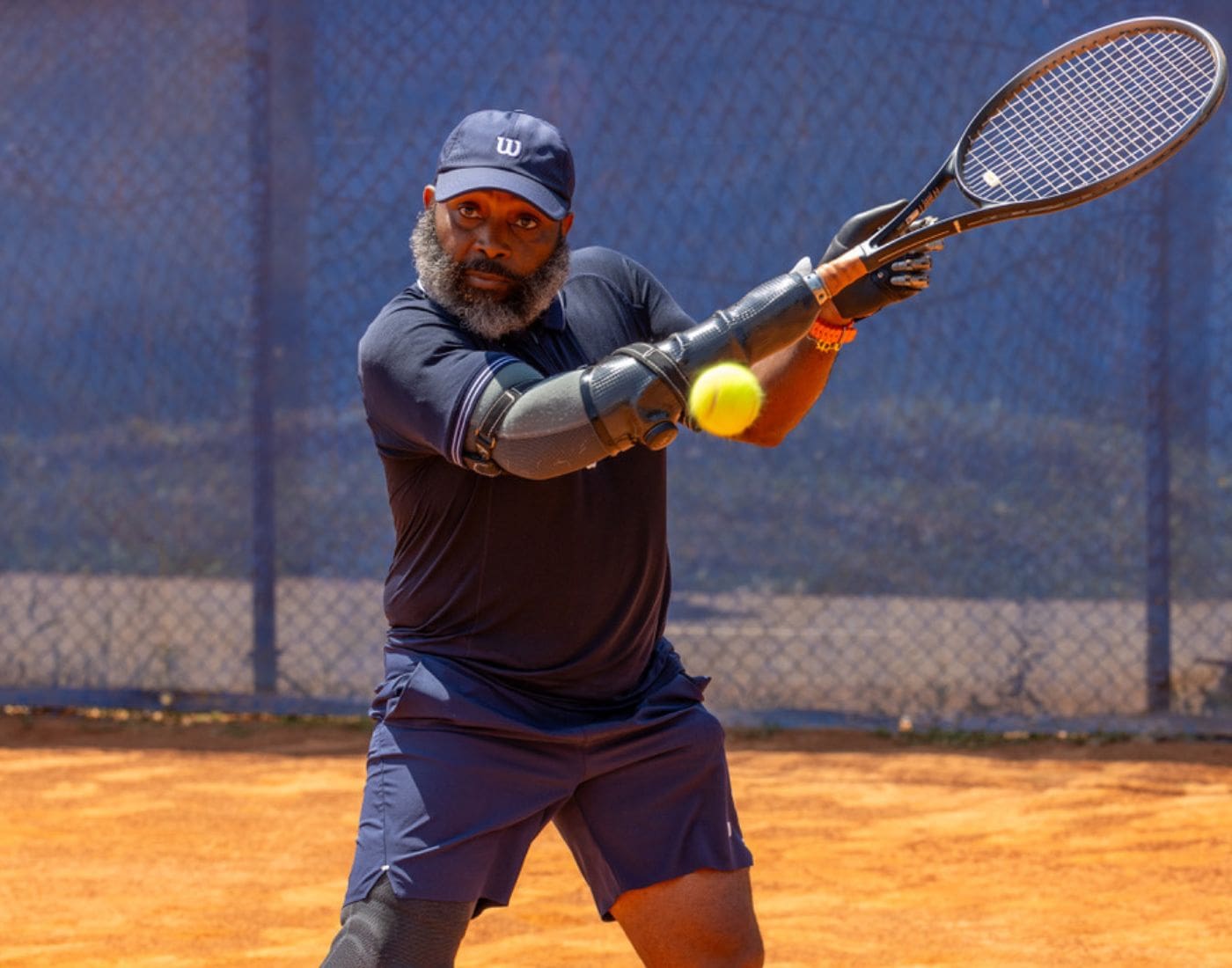
Nicky Maxwell was the first amputee to run track in NCAA Division I at Harvard. While he grew up playing tennis with his family, he didn’t see it as a pathway for him to compete. When JTCC hosted its first para-standing tennis activation in 2023, Nicky showed up and was overflowing with excitement to learn that there was a growing pathway for players with physical disabilities to play standing instead of in a wheelchair. Less than three years later, he has competed at the European and World Para Standing Tennis Championships and was elected to serve as President of the International Para Standing Tennis Association, impacting thousands of athletes who were once in the same boat—lacking a pathway.

One of the most impactful moments for me was learning that a Spanish-speaking wheelchair user had traveled almost two hours, hitching a ride from a friend, to try wheelchair tennis as part of JTCC’s annual camp. He was encouraged by a few of our players who knew him through a spinal cord injury support group for Spanish-speaking individuals, and he took the leap to try something completely new.
On my drive home, I contemplated the amazing fact that he went so far out of his comfort zone to try something new, with no guarantee he would like it. It struck me that this is the true power of opportunities for players who historically haven’t had access: it empowers others to find themselves in the sport in ways they may never have dreamed. People have a hard time seeing themselves as tennis players until they see others like them doing it, and when there’s no opportunity to play, there’s no understanding that it’s even a possibility. Adaptive tennis is powerful because of the community that exists within it, and this strong sense that anything is possible if it’s what you dream and want to do.

What are the biggest barriers that prevent people with disabilities from accessing tennis and discovering their athletic potential? And more importantly, how does JTCC’s adaptive program specifically remove those barriers in ways that other facilities don’t?
The number one barrier is the lack of opportunity to participate in adaptive tennis at any level. It starts with players having access to learn the sport and to have the chance to play and learn from coaches. One contributing factor is that many coaches and people in general haven’t been exposed to or interacted with people with disabilities, and there is a natural fear of the unknown and not wanting to say anything to hurt or offend people.

What we do at JTCC is educate our coaches on disability awareness and how to build positive relationships with people with disabilities, as well as how to accommodate different needs that players may have. What this effort does is create a culture where people with disabilities feel welcomed—that they aren’t the odd one out—and they are surrounded by people who can and will support them on their tennis journey.

My favorite compliment I get frequently from players is that JTCC is one of the only places where, when they go through the door, people aren’t asking them about their disability and what happened—they’re asking how their tennis game is coming along and the date of their next tournament. It is important at JTCC that we model for our juniors and adult members that disability is normalized, that people with and without disabilities can build positive relationships, and we’ve seen ways that our members have stepped up to support them—from volunteering in programming or tournaments, to completing projects to make JTCC more accessible and improving our coach education materials, and even starting local nonprofits to add more opportunities for adaptive tennis players.

As we look toward 2026 and JTCC’s facility expansion, what would it mean for the adaptive tennis program to have even more resources, equipment, and dedicated space? Paint us a picture of what excellence could look like if you had everything you needed to serve this community.
The vision for adaptive tennis at JTCC is to create a comprehensive, integrated pathway for all players with disabilities to find community and unlock their potential. This is what we have succeeded in on the mainstream side of the sport at JTCC—and what is a very real possibility to create.

As our program grows, serving more than 260 local players with disabilities and military veterans, each player has their own individual goals within the sport, and the larger we grow, the more diverse that pool of dreams becomes. There are pathways that can be created that run parallel to what exists in the traditional sport, and pathways that can be integrated into what already exists, because of the unique aspect of tennis—that players with and without disabilities can play together.

What we do at JTCC is create player-centered opportunities based on what the player wants to see in the sport, and the sky is the limit for what is possible—from wheelchair tennis players competing in the collegiate and professional space, to offering programs to players who are Blind or Low Vision, or Deaf or Hard of Hearing, to developing truly integrated events like mainstream and adaptive tournaments running side-by-side and unified doubles events for players with and without disabilities competing together. One thing we know for sure through what we have learned at JTCC: when we create opportunities, people find themselves in the sport.

The vision for adaptive tennis at JTCC is to create a comprehensive, integrated pathway for all players with disabilities to find community and unlock their potential. This is what we have succeeded in on the mainstream side of the sport at JTCC, and what is a very real possibility to create. As our program grows, serving more than 260 local players with disabilities and military veterans, each player has their own individual goals within the sport, and the larger we grow, the more diverse that pool of dreams becomes. There are pathways that can be created that run parallel to what exists in the traditional sport, and there’s pathways that can be integrated into what already exists, because of the unique aspect of tennis that players with and without disabilities can play together. What we do at JTCC is create player-centered opportunities based on what the player wants to see in the sport, and the sky is the limit for what is possible, from wheelchair tennis players competing in the collegiate and professional space, offering programs to players who are Blind or Low Vision, or Deaf or Hard of Hearing, to developing truly integrated events like mainstream and adaptive tournaments running side-by-side and unified doubles events for players with and without disabilities to compete together. One thing we know for sure from what we have learned at JTCC is that when we create opportunities, people find themselves in the sport.

For someone reading this interview who has never experienced adaptive sports firsthand, what would you want them to understand about why supporting this program matters? And what would you say to someone considering making a year-end gift to JTCC’s adaptive tennis program?
When people see adaptive sports for the first time, the feeling that comes to mind is often “inspirational.” However, as people dive deeper into learn more about the space and building relationships with players with disabilities, it quickly turns to “aspirational.” Players with disabilities playing the sport are as impressive as a high-performance player competing with grit to win a national title or an LTN player being brave and trying the sport for the first time.

Our adaptive tennis players at JTCC are experiencing the same benefits of the sport and striving for similar goals as mainstream players — and that is truly what excellence is. What makes us unique is that we are developing the model for how this can be replicated around the country, and when we try new things that haven’t been proven in the sport yet, it involves risk and commitment.

We need people who are excited about contributing and supporting things that have never been done in the sport — from creating consistent and accessible opportunities for all people to play tennis, to hosting world-class tournaments and events that allow our local players to see what’s possible in the professional space, to creating an inclusive society where players with and without disabilities are learning and playing tennis alongside each other.

It’s an opportunity to help define what’s possible for the sport of tennis at this critical juncture, as visibility and access are rapidly growing. These players have never seen opportunity in tennis like they do at JTCC, and there’s so much more left to be done to truly embrace and live JTCC’s mission of providing “Tennis for Everybody.”

JTCC Coach Gabby Hesse Featured On FOX 5’s Live Zone

As part of Coach Appreciation Month, Gabby Hesse, JTCC’s Head of Wheelchair & Adaptive Tennis, was recently featured on FOX 5 DC’s Live Zone.

In the short segment, Gabby discussed JTCC’s mission to make the sport accessible for players of all abilities and the growing impact of inclusive programming that brings athletes together on and off the court. Her message underscored how great coaches not only build skills on the court, but also shape character, confidence, and community beyond it.

Click here to watch the full FOX 5 video to see how Gabby and JTCC are making a difference through the power of coaching.

Get In Touch

Get In Touch Footer